Forestry Mulching or Lot Clearing: Start With the Property Goal
Home › Blog › Forestry Mulching or Lot Clearing: Start With the Property Goal
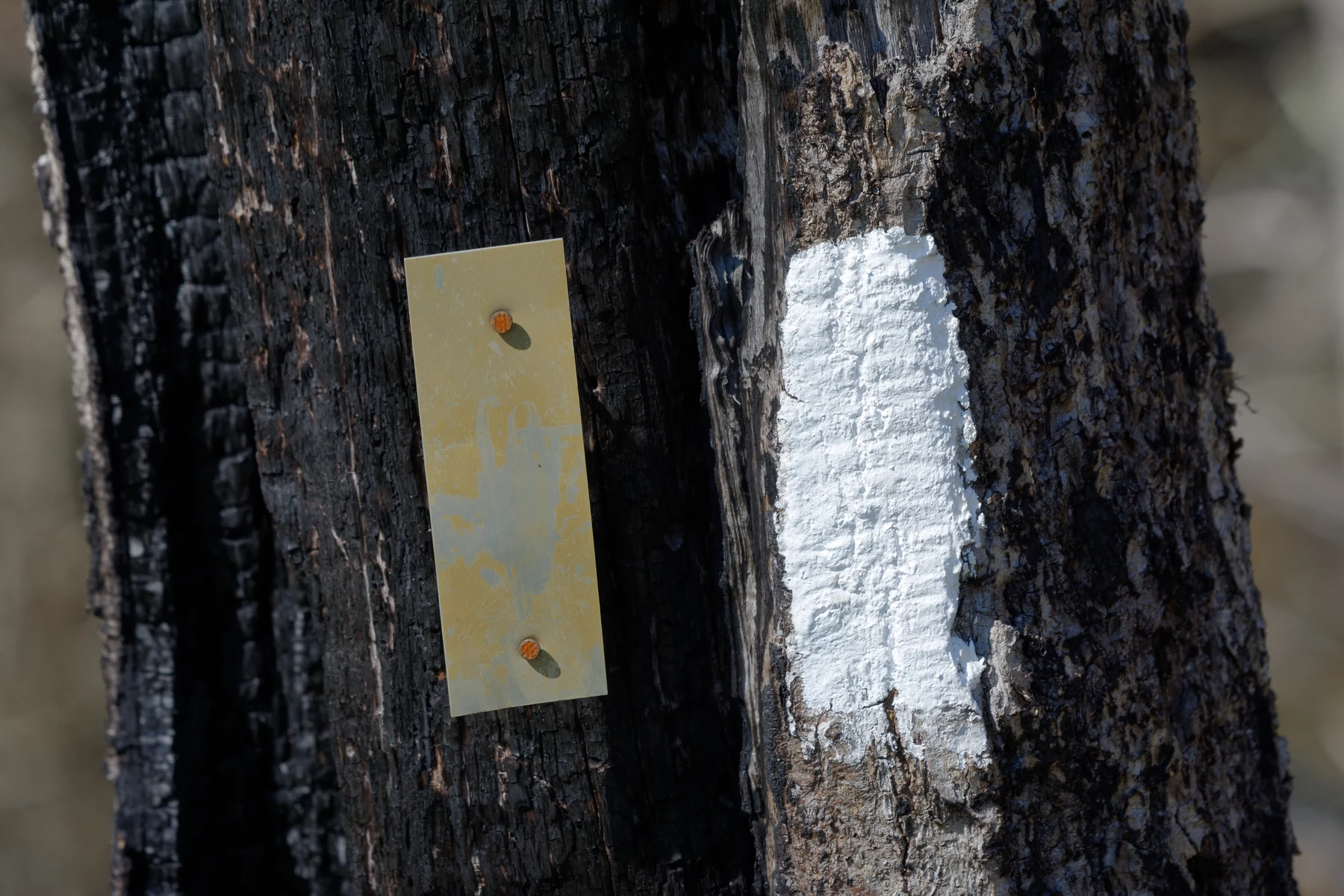
The right service name becomes clearer when you define the work area, what should remain, and what the property needs to support next.
Two service names, two ways to frame the same property
Property owners often begin with a simple sentence: the land needs to be cleared. That is enough to start a conversation, but it does not yet distinguish forestry mulching from lot clearing. The useful distinction comes from purpose. Forestry mulching is often discussed when brush and woody growth are keeping an area from being accessed, observed, or managed as intended. Lot clearing is more often framed around opening a defined portion of land for a next decision, such as evaluating a homesite area or establishing a broader usable space.
Neither label should be chosen from acreage alone. A large parcel may need work only along one route or in one overgrown section. A smaller lot may contain several different zones, including selected trees to retain, screening along a boundary, and a particular area tied to future plans. Start by drawing or describing the part that matters. Then explain what you expect to do after clearing. That sequence gives the service conversation a real objective instead of making total parcel size the only fact.
Look at access before deciding how much area to include
The work area has to connect to the property entrance. On mountain land, a short straight-line distance can hide a more complicated route. The owner does not need to diagnose equipment needs, but should show how the target area is reached today. Mark the road or drive, the preferred entry, any existing path, and the destination. Photos facing both directions can help another person understand the route.
If the route itself is the primary problem, right-of-way clearing may be a clearer description for that zone. If the route only leads to a larger overgrown area, the request may include both corridor clearing and forestry mulching or lot clearing. Keeping those pieces separate improves the estimate discussion. It also prevents an owner from assuming that access clearing includes unverified services such as road building or grading. Flowers Forestry Mulching publicly lists clearing services, and the website does not expand those services beyond what has been confirmed.
Describe retained trees, boundaries, and sightlines
What stays can be more important than what goes. If selected trees should remain, tree thinning may be part of the conversation. If the goal is a view, identify where the viewer will stand and which direction matters. If a fence edge needs access, confirm the actual line and point out gates or corners. These details help turn a vague clearing request into a set of zones with different outcomes.
Legal property limits and authority should never be guessed from vegetation. Maps, ribbons, or old fence lines can communicate an owner’s intent, but they do not automatically settle boundary or easement questions. Resolve uncertainty through the appropriate records or professionals before authorizing work near neighboring land. That caution applies whether the request is called forestry mulching, lot clearing, or another clearing service. A contractor estimate should be based on an authorized area, not used to decide where that area legally begins or ends.
Request the estimate with a short, useful project brief
A good project brief can fit in one message. Include the property location, approximate work area, current access, photographs, the intended next use, and a list of things that should remain. If the project has more than one zone, label each one: access corridor, mulching area, possible homesite area, thinning section, fence line, or view band. Add which zone is the priority and which is optional. That gives Flowers Forestry Mulching a practical basis for the first conversation.
The company offers free estimates in western North Carolina, northern Georgia, and northwestern South Carolina. Pricing depends on area size and services requested, so no generic dollar amount can replace property details. Customers can review the forestry mulching and lot clearing service pages for more focused questions, then call (828) 900-1969 or email info@flowersforestry.com. The best starting point is not choosing a service label perfectly. It is clearly explaining the land, the authorized work area, and what you want that area to support next.
Know what the service choice does not decide
Choosing a clearing label does not settle every question about the property. It does not establish a boundary, authorize access across someone else’s land, confirm a homesite, select later construction work, or guarantee a visual result. Those decisions may require records, plans, or professionals outside the clearing scope. Keeping them separate protects the estimate from carrying assumptions it was never meant to answer.
The service choice should do one job well: connect an authorized work area with the change the owner wants reviewed. Once that connection is clear, Flowers Forestry Mulching can discuss whether one listed service or several defined zones fit the request. The free estimate remains property-specific, and pricing still depends on area size and the services requested.
Ready to talk about the property?
Share the location, approximate area, access, photos, and the result you want to consider.
Request a Free Estimate